
May 28, 2024
LDL vs HDL: Cracking the Code on Your Cholesterol Numbers
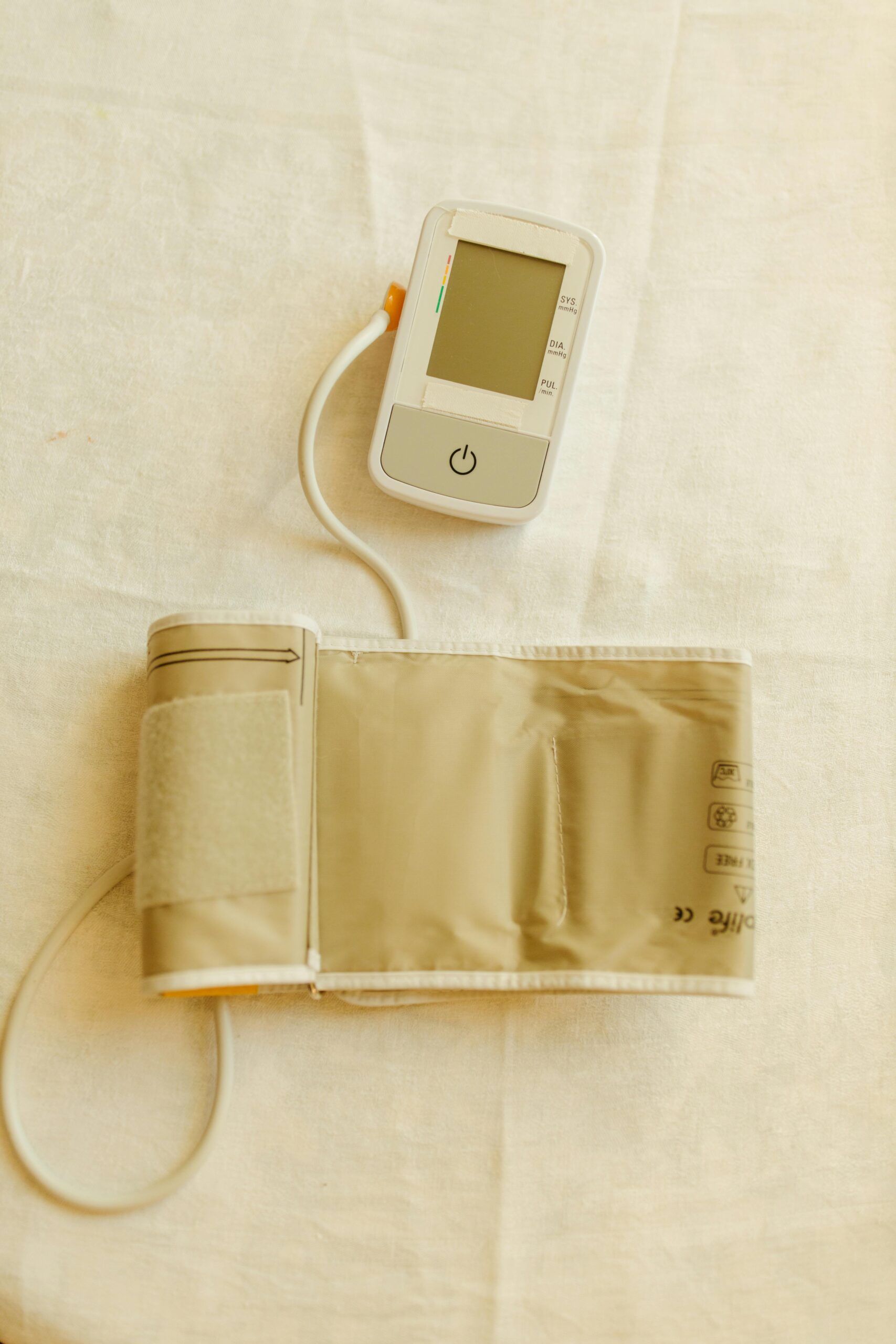
Do you understand the cholesterol numbers on your blood test results? This post will break down what cholesterol is, what those numbers mean, optimal cholesterol level ranges, and explore the factors that influence them.
What is Cholesterol?
Cholesterol often gets a bad rap, but it actually plays a vital role in our bodies. But this lipophilic molecule plays an important role in life. It acts as a building block for cell membranes, the myelin sheath that protects nerves, and bile salts that aid digestion. Cholesterol is also a precursor for hormone production, helps us synthesize vitamin D, and even functions as an antioxidant.1
Understanding Your Cholesterol Numbers
While most people think their cholesterol numbers are related to the “good” or “bad” cholesterol they may have circulating in their bodies, blood tests actually measure cholesterol levels indirectly by looking at the carrier proteins that transport cholesterol throughout the body:
- LDL (low-density lipoprotein)
- HDL (high-density lipoprotein)
- VLDL (very low-density lipoprotein)
These lipoproteins aren’t necessarily “good” or “bad”. They gained the labels because high LDL levels are associated with an increased risk of cardiovascular problems, while high HDL levels are linked to a decreased risk.
Optimal cholesterol number ranges are:
- LDL
- Age <60 years old = 40-120 mg/dl
- Age >60 years old = 120-170 mg/dl
- HDL
- Male = 55-75 mg/dl
- Female = 65-85 mg/dl
- VLDL
- Female = 65-85 mg/dl
LDL and HDL have been shown to have an inverse relationship. As LDL levels increase, HDL levels decrease. As HDL levels increase, LDL levels decrease.
The LDL and HDL Dance
LDL transports cholesterol and triglycerides from the liver to areas of the body that need them. There can be an increased need for LDL during inflammation or when the body needs to use fat for energy instead of glucose.
HDL, on the other hand, acts like a janitor, picking up excess cholesterol from the bloodstream and returning it to the liver, where it is reprocessed and repackaged.
Cholesterol that is degraded by the liver is then excreted in the bile.2
Diet and Cholesterol: A Balancing Act
Contrary to popular belief, dietary cholesterol has a minimal impact on overall cholesterol levels.3 The body produces 60-80% of cholesterol, while the remainder is from the diet.
If a diet is low in cholesterol, the body will ramp up cholesterol production. Conversely, if the diet is high in cholesterol, the body will suppress cholesterol production. So the concern isn’t necessarily related to cholesterol but rather unhealthy fats.
Healthy Fats vs. Unhealthy Fats
Hydrogenated, oxidized, and rancid oils can trigger inflammation, leading to higher LDL cholesterol. In contrast, healthy fats from nuts, seeds, coconut, avocado, dairy, and olives can help boost HDL levels. It’s a balancing act – as LDL rises, HDL tends to fall, and vice versa.
Beyond Diet: Other Factors Affecting Cholesterol
Several factors beyond diet can influence cholesterol levels, including:
- Poor fat metabolism
- Impaired bile flow
- Blood sugar dysregulation or insulin resistance
- Metabolic syndrome
- Fatty liver disease
- Inflammation
- High blood pressure
- Stress
- Hypothyroidism or adrenal dysfunction
- Certain medical conditions and medications
Seasonal Shifts and Cholesterol Levels
Interestingly, cholesterol levels tend to be higher in the fall and winter, and lower in the spring and summer.4 Additionally, some medications, like diuretics 5, can also affect cholesterol levels.
Maintaining Healthy Cholesterol Levels
By understanding the different types of cholesterol and the factors that influence them, you can take steps to promote healthy cholesterol levels. This may involve dietary adjustments, managing stress, and maintaining overall good health. It’s always best to consult with a healthcare professional to develop a personalized plan for managing your cholesterol.
References:
nutrition services
Catch me here →
meet the blog author:
a certified nutrition therapy practitioner


© BEE COLLECTIVE WELLNESS 2025
CRAFTED BY BOOTH AND BARD